Everyone feels tired sometimes, but menopause fatigue can feel different: it’s often a deep, lingering tiredness that doesn’t lift after a good night’s sleep, and it can show up alongside hot flushes, disrupted sleep or low mood. If that sounds familiar, you’re not alone, and there’s plenty you can do to feel more like yourself again. Here’s what menopause fatigue feels like, why it happens, how to tell it apart from everyday tiredness, and practical ways to support your energy.
What Does Menopause Fatigue Feel Like?
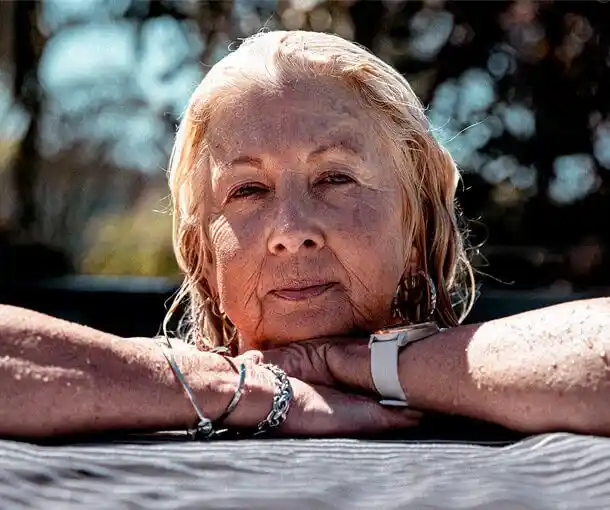
Menopause fatigue is often described as a whole-body tiredness that doesn’t ease with a nap or an early night. Everyday things like cooking dinner or getting through the workday can suddenly feel much more effortful than they used to. Hormonal changes and broken sleep can also affect your concentration, mood and memory, which is why it can feel like more than “just being tired”.
It often turns up alongside other changes, like night sweats or disrupted sleep, rather than on its own. Seeing how these symptoms connect can make it much easier to work out what might help.
Is Tiredness Part of Menopause?
Yes. Fatigue and tiredness are both recognised as common menopause symptoms in Australian clinical guidance, alongside hot flushes, night sweats and sleeping difficulties.1,2 Many women find that broken sleep is what drives the daytime tiredness.
So while not every woman will experience it, tiredness during the menopause transition is common enough to be considered one of its recognised symptoms. It’s not something unusual to feel, and it’s not something you have to simply put up with.
Why Does Menopause Cause Tiredness?
There are a few overlapping reasons menopause can leave you feeling tired:
- Sleep disruption: Hot flushes and night sweats can wake women repeatedly overnight. It has been found that women with moderate or severe hot flushes are significantly more likely to experience frequent night-time awakenings.5
- Hormonal changes: Falling oestrogen and progesterone during the transition are linked to mood changes, anxiety and difficulty concentrating on top of physical tiredness.
- A busy stage of life: Work, family, caring responsibilities, alcohol, too little movement and poor sleep can all play a part, and menopause often arrives right in the middle of it all.
Menopause Fatigue vs Normal Tiredness: What’s the Difference?
| Aspect | Normal tiredness | Menopause fatigue |
|---|---|---|
| Relieved by rest | Usually improves after sleep or a night’s rest | Often persists even after a full night’s sleep |
| Onset | Tied to a clear cause: a late night, illness, a hard workout | Can build gradually or appear without an obvious trigger |
| Duration | Short-lived, resolves within a day or two | Can persist for weeks or months, or come and go across the transition |
| Accompanying symptoms | Usually isolated | Often paired with hot flushes, night sweats, disrupted sleep, or low mood |
This is a general guide to help you reflect on how you’ve been feeling, not a way to diagnose anything. If you recognise the right-hand column, you’re not imagining it, and small changes to your sleep, movement and daily routine are a great place to start.
Everyday Ways to Manage Menopause Fatigue
Small changes can make a real difference to how rested you feel. You don’t need to do everything at once, so pick one or two that feel doable and build from there:
- Keep your bedroom cool: use a fan, wear light breathable sleepwear, choose cotton, bamboo or linen sheets and layer your bedding instead of using a heavy doona, so night sweats are less likely to wake you4
- Cut back on alcohol and caffeine in the afternoon and evening, as both can disrupt your sleep4
- Move your body regularly. Exercise can help lift your energy levels, and sleep and exercise appear to benefit each other.6,8 If you’re too tired for a big workout, short bursts of activity are a good place to start, and it’s best to keep intense exercise away from bedtime
- Eat well, with enough healthy fats, protein and minimally processed carbohydrates like vegetables, wholegrains and fruit, and make quality sleep a priority7,9
- Share the load where you can, at home and at work, so you’re not running on empty6
- Keep a simple symptom diary for a few weeks. Noting when tiredness hits and what’s happening around it can help you spot patterns and feel more prepared for a chat with your GP
- Be kind to yourself. If tiredness is getting in the way of daily life, it’s always worth chatting with your GP or pharmacist about what might help
Not sure where to begin? Try one change this week, like cooling your bedroom or moving your afternoon coffee earlier. Small steps add up.
Supporting Your Energy Levels with Ostelin
We know menopause can feel like a lot, and at Ostelin we’re here to support you through it. Our Ostelin Menopause Support combines sage, ashwagandha (KSM-66®), ginkgo biloba, calcium, vitamin D, vitamin B12 and B6, and is formulated to help relieve symptoms including hot flushes, night sweats, fatigue and mild anxiety and improve sleep quality.10
If you’d like some extra support with tiredness, Ostelin Iron & B+ Energy combines iron (as iron bisglycinate, a form that’s gentle on the stomach) with vitamin B12, B6 and B2 to help relieve tiredness and fatigue and assist healthy red blood cell production.10 This product is MTick® certified, which is an independent menopause-friendly credential that helps women spot products they can trust11, so you can feel confident about what you choose as you look after yourself through menopause.
Always read the label and follow the directions for use.
Frequently Asked Questions
What does menopause fatigue feel like?
It’s usually a deep, whole-body tiredness that doesn’t lift after rest. Everyday tasks can feel harder than usual, and it often comes with other changes like hot flushes or disrupted sleep.
Is tiredness part of menopause?
Yes. Tiredness is a common part of the menopause transition, and it’s often linked to the disrupted sleep that hot flushes and night sweats can cause.
Why does menopause cause tiredness?
Mostly through broken sleep from hot flushes and night sweats, shifting hormones that can affect mood and concentration, and the demands of a busy stage of life.
What can I do to feel less tired during menopause?
Small habits help: keep your bedroom cool, cut back on afternoon and evening alcohol and caffeine, move your body regularly, eat well and make sleep a priority4,6,7. Pick one or two to start with and build from there.
How do I know if it’s menopause fatigue or something else?
Menopause tiredness tends to show up alongside other changes like hot flushes or disrupted sleep. A simple symptom diary can help you spot patterns. If tiredness is getting in the way of daily life or isn’t easing with lifestyle changes, your GP or pharmacist is a great person to chat to.
References
Numbered citations above correspond to the sources below. All sources were accessed on 8 September 2026.
- Australasian Menopause Society, “Menopause: what are the symptoms?” Fact Sheet. https://www.menopause.org.au/health-info/fact-sheets/menopause-what-are-the-symptoms
- Australasian Menopause Society, “What is menopause?” Information Sheet. https://menopause.org.au/images/stories/infosheets/docs/AMS_What_is_menopause.pdf
- Jean Hailes for Women’s Health, “Menopause: Symptoms, Causes and Management.” https://www.jeanhailes.org.au/health-topics/menopause/
- Sleep Health Foundation, “Menopause and Sleep” (citing the Australasian Menopause Society’s 2025 sleep information sheet). https://www.sleephealthfoundation.org.au/sleep-topics/menopause-and-sleep
- Menopause: The Journal of The Menopause Society, “Sleep disturbance associated with the menopause.” https://journals.lww.com/menopausejournal/fulltext/10.1097/gme.0000000000002386~sleep-disturbance-associated-with-the-menopause
- Jean Hailes for Women’s Health, “Running on empty? Nine ways to reverse exhaustion.” https://www.jeanhailes.org.au/articles/nine-ways-to-reverse-exhaustion/
- Jean Hailes for Women’s Health, “How to Manage Menopausal Symptoms.” https://www.jeanhailes.org.au/health-topics/menopause/how-to-manage-menopausal-symptoms/
- Jean Hailes for Women’s Health, “Help! I’m too tired to exercise.” https://www.jeanhailes.org.au/news/help-im-too-tired-to-exercise
- Jean Hailes for Women’s Health, “Looking After Yourself During Menopause.” https://www.jeanhailes.org.au/health-a-z/menopause/looking-after-yourself
- Ostelin Australia, product pages (Menopause Support, Iron & B+ Energy). https://www.ostelin.com.au/products/
- GenM, “The MTick® | Building Consumer Trust in Menopause.” https://gen-m.com/the-mtick/